 by Joe Fix It
Water softener installation cost in Las Vegas depends on three things: the type of system, the size of the home, and how hard the water is where you live. Most Las Vegas installs land in the low-to-mid four figures for a quality salt-based system sized for a typical single-family home, with salt-free conditioners generally coming in lower. The only way to get a real number is a free in-home water test followed by a written quote.
Key Takeaways
- System type, home size and measured water hardness drive the price far more than brand names do.
- A quality salt-based softener sized for a 2,000-square-foot Las Vegas home is the most common install.
- Salt-free conditioners usually cost less up front but work differently than a true softener.
- Ongoing costs are modest: salt refills and an annual check-up for salt-based units, almost nothing for salt-free.
What Should You Budget for Installation?
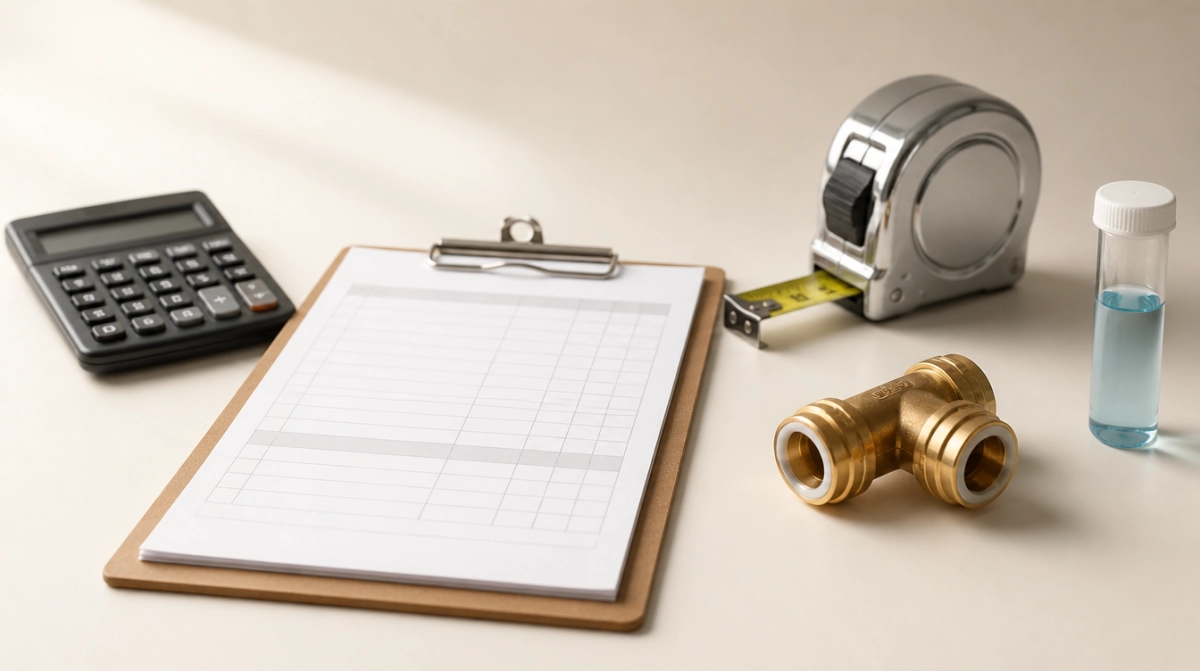
The final number depends heavily on system type, home size, and water hardness in your neighborhood. That spread can feel wide, but most projects settle into a predictable middle ground rather than either extreme.
For a standard 2,000-square-foot home, the right-sized salt-based unit is the sweet spot for most of our neighbors. That price reflects a system sized correctly for household demand, not an oversized tank that wastes salt and space. Salt-free conditioning units cost less to purchase, though they work differently than traditional softeners.
Is a salt-based or salt-free system better for the budget?
Salt-based systems cost more up front but remove hardness minerals completely, which matters given how hard our local water runs. Salt-free units save money initially and skip the salt bags entirely. The trade-off comes down to up-front cost versus long-term mineral removal performance.
Where can Las Vegas homeowners get an accurate quote?
We're based right here in Las Vegas, which means our estimates reflect actual local water conditions rather than national averages. That local footing matters when comparing quotes from different providers.
Here's what shapes your total:
| Factor | What it changes |
|---|---|
| System type (salt-based vs. salt-free vs. RO add-on) | The biggest swing in price |
| Home size and daily water use | Grain capacity and tank size |
| Measured hardness (typically about 16 grains per gallon in the Valley) | Regeneration frequency and resin volume |
| Existing plumbing (garage loop or not) | Labor time |
Getting a firm written number before work begins protects your budget from surprises later.
How Does Equipment Quality Affect Your Price?
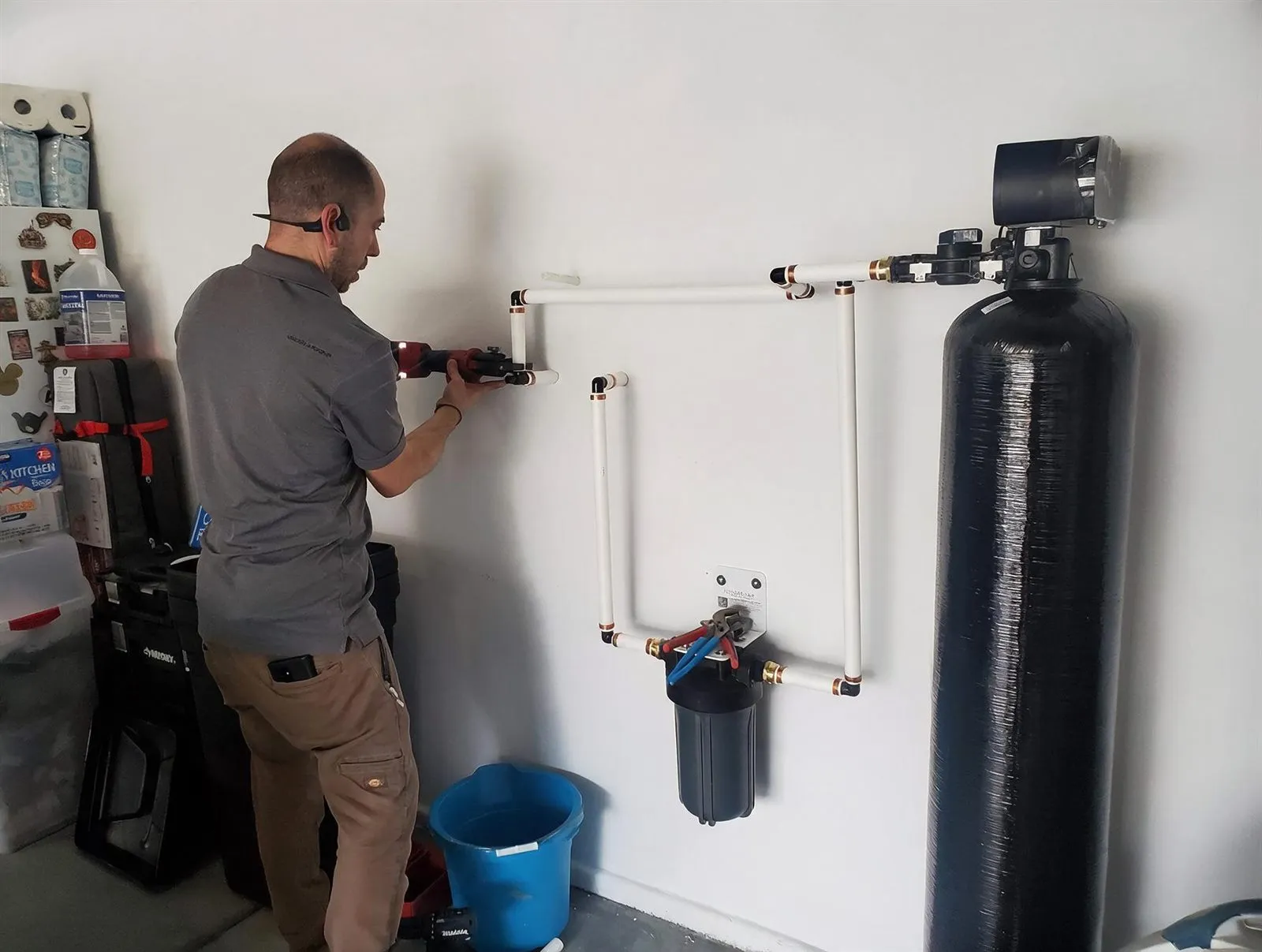
Equipment grade drives most of the swing in water softener cost across the Valley. A 48,000-grain salt-based unit sized for a typical 3-to-4-person Las Vegas household, installed on a standard garage loop, sits at the middle of the range because the resin tank, control valve, and brine tank all meet a baseline durability standard. Cheaper valves and thinner tanks push the price down but shorten the equipment's working life against our region's hard water.
We break every quote into three buckets: equipment, professional labor, and permitting. Equipment quality changes the first bucket the most. Resin volume, valve type, and tank construction all carry different price points. Labor and permitting stay fairly stable regardless of which unit gets installed, because the plumbing work looks similar whether the system is entry-level or premium.
Is a cheaper softener ever the right call?
Sometimes, but rarely in Las Vegas. Colorado River water runs hard enough that undersized resin or a weak control valve wears out fast, and homeowners end up replacing the whole unit sooner than expected. We'd rather quote the right size up front than sell a unit that fails against local water hardness.
What should homeowners compare before buying?
Compare grain capacity, valve type, and tank material side by side, not just the sticker price.
- Grain capacity: matched to household size and water hardness
- Valve construction: determines regeneration reliability over years of use
- Tank material: affects resistance to scale buildup and wear
As an independent, family-run water treatment company, we walk every Las Vegas Valley homeowner through these trade-offs before recommending a system, because protecting the home and its appliances from scale matters more than the lowest number on a quote.
What Are the Ongoing Costs After Installation?
Ownership isn't free after the sale, though the numbers are modest. A salt-based softener needs salt refills and benefits from an annual check-up, so budget for a few bags of salt a month plus a yearly service visit. Salt-free conditioners need almost no upkeep beyond an occasional media change. We walk every homeowner through those ongoing costs before any paperwork gets signed.
How do we help homeowners decide?
Every conversation starts with a free in-home water test, not a sales pitch. We measure the actual hardness in your water supply, then lay out the options side by side with their up-front and ongoing costs. You can reach us by phone, Monday through Saturday, to schedule that test or ask questions about any option.
Why Does Las Vegas Water Hardness Matter?
Hardness levels across the Valley drive nearly every decision homeowners make about water softener cost. Measurements of about 16 grains per gallon show up consistently from Henderson to Boulder City. That range turns a softener from a nice-to-have into a genuine investment. Colorado River water supplies the entire region, and this source runs exceptionally hard by the time it reaches home plumbing.
Untreated water heaters and appliances absorb the impact first. Mineral scale builds steadily inside tanks, pipes, and fixtures, cutting efficiency and shortening equipment life. Left unaddressed, that buildup turns into repair bills and early replacements, expenses homeowners rarely budget for.
How hard is Las Vegas water compared to other cities?
Grain measurements between 16 and 18 grains per gallon place Las Vegas well above the threshold most plumbing professionals classify as "hard." Neighborhoods across Summerlin, Henderson and North Las Vegas share this same baseline, meaning nearly every home in the Valley faces the same scale risk regardless of zip code.
Does every Las Vegas home need a softener?
Homes running fixtures, water heaters, and appliances on untreated Colorado River water eventually show scale damage. Because ours is a family-run operation based right here in Las Vegas, installations come from people who deal with this same water every day, not a call center in another state. That local grounding shapes how we size systems and set realistic cost expectations.
What's the Next Step to Get an Accurate Quote?
A free in-home water test starts the process for every Las Vegas homeowner. We measure hardness at the tap, walk the plumbing, and build an estimate around the actual numbers, not a guess pulled from a brochure. This step removes the biggest source of surprise in water softener cost conversations: unknown local water conditions.
Skipping this test means budgeting blind. Homeowners who rely on generic online calculators often end up comparing quotes that don't match their actual grain-per-gallon reading.
How do we schedule the test?
Call us Monday through Saturday, and we'll book the visit. We follow it with a written estimate, not a verbal ballpark. That written number becomes the basis for any installation we schedule next.
Who actually shows up to install the system?
Our crew handles both the quote and the installation. Because we run an independent, family-owned operation, the person who writes the estimate is often the same person who installs the unit. Homeowners avoid the disconnect that happens when a sales rep quotes one price and a subcontractor delivers a different job.
Being based here in Las Vegas keeps scheduling tight across the Valley:
- Test appointments book faster
- Written estimates arrive sooner
- Installation follows without long gaps between steps
FAQ
What drives the cost of water softener installation in Las Vegas?
System type, home size and measured water hardness. A quality salt-based system sized for a 2,000-square-foot home is the most common install; salt-free conditioners generally cost less up front.
How much does a salt-free conditioner cost compared to a salt-based softener?
Salt-free units usually cost less to buy and install, but they condition minerals rather than remove them. Salt-based systems cost more up front and deliver true soft water.
Are there ongoing costs after installation?
Yes, but they're modest: salt refills and an annual check-up for salt-based units, and very little for salt-free conditioners. We spell these out before you sign anything.