 by Joe Fix It

Water softener maintenance in Las Vegas comes down to three things: keeping salt in the brine tank, an annual professional check of the valve and resin bed, and swapping any pre-filters or reverse osmosis cartridges on schedule. The Valley's 16-grain water works a softener harder than almost anywhere else in the country, so skipping upkeep shows up fast as scale on fixtures and appliances.
Key Takeaways
- Salt is the one recurring cost of a salt-based softener. Check the tank monthly and never let it run dry.
- An annual service visit catches resin wear, valve faults and brine tank problems before they become a replacement.
- Salt-free conditioners need almost no upkeep beyond an occasional media change.
- A free water test confirms your hardness so the salt schedule and system sizing match your household.

What Should You Know Before Budgeting for Care?
Budgeting for softener care in Las Vegas starts with three facts, not guesswork: hard water reaches every neighborhood, a free test reveals actual usage, and upkeep is a small, predictable line item next to the cost of the appliances the softener protects.
Hard water doesn't discriminate by house style or age. Mid-century ranch homes and newer high-rise condos across the Valley all face the same mineral load, which means maintenance looks similar whether the home sits in an established neighborhood or a brand-new build.
Before setting any maintenance routine, follow these steps in order:
- Schedule a free water test to measure the actual hardness level in the home.
- Compare that reading against system type, since salt-based and salt-free units carry different upkeep needs.
- Plan for salt refills plus one professional service visit a year.
- Track salt levels monthly so a refill never becomes an emergency run.
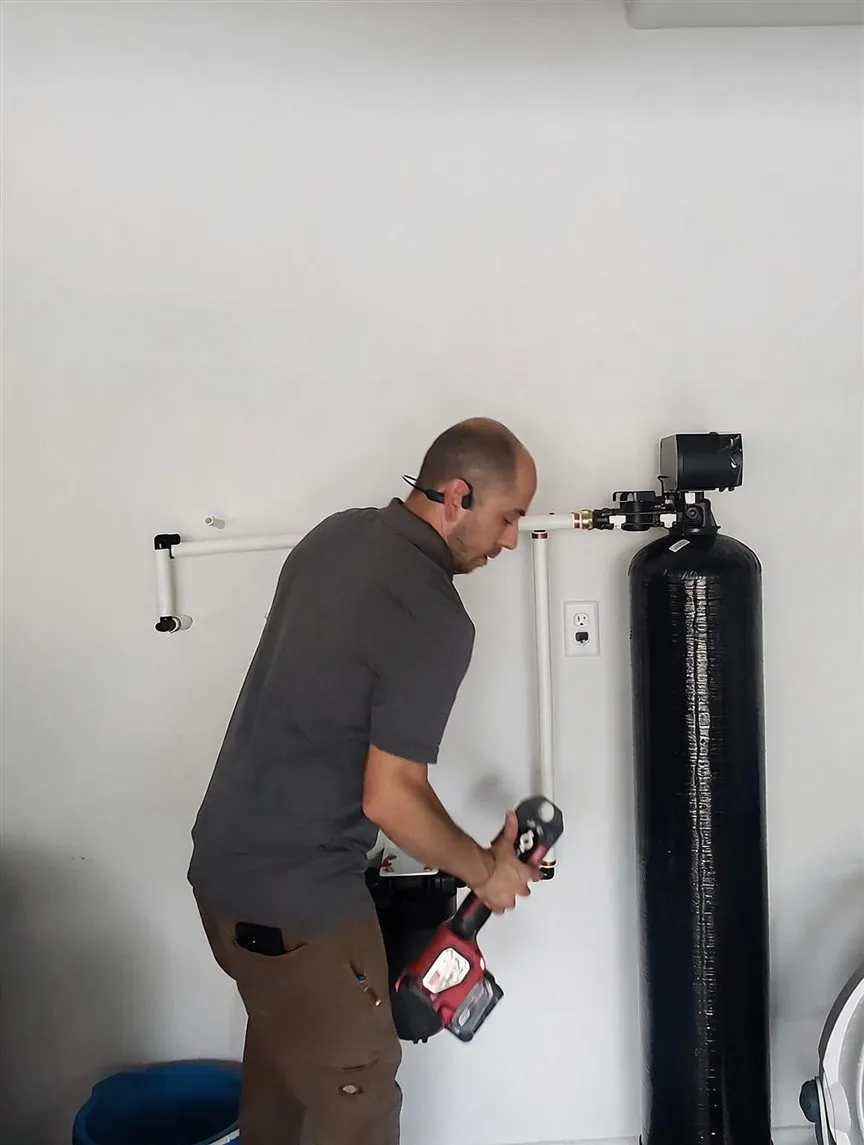
How Do You Handle Salt Purchases and Delivery?
Salt use depends on household size and water hardness. A compact unit built for a condo uses less salt per cycle than a full treatment train sized for a large single-family home, and a family of five in Henderson at 18 grains will go through salt faster than a couple in a condo.
We can set up quarterly visits to inspect your system and make sure it is operating properly. We size every system to the property first, then build the delivery schedule around that footprint instead of a one-size-fits-all guess.
How often should I add salt to my softener?
Most families check monthly and refill when the tank drops below one-quarter full. Larger households or harder water shorten that interval. A quick visual check every four weeks keeps the tank from running dry between deliveries.
Our approach to ongoing care follows three steps:
- We test the water first to confirm hardness and system sizing.
- We set a delivery schedule matched to that household's actual usage.
- We adjust the interval whenever water use or family size changes.
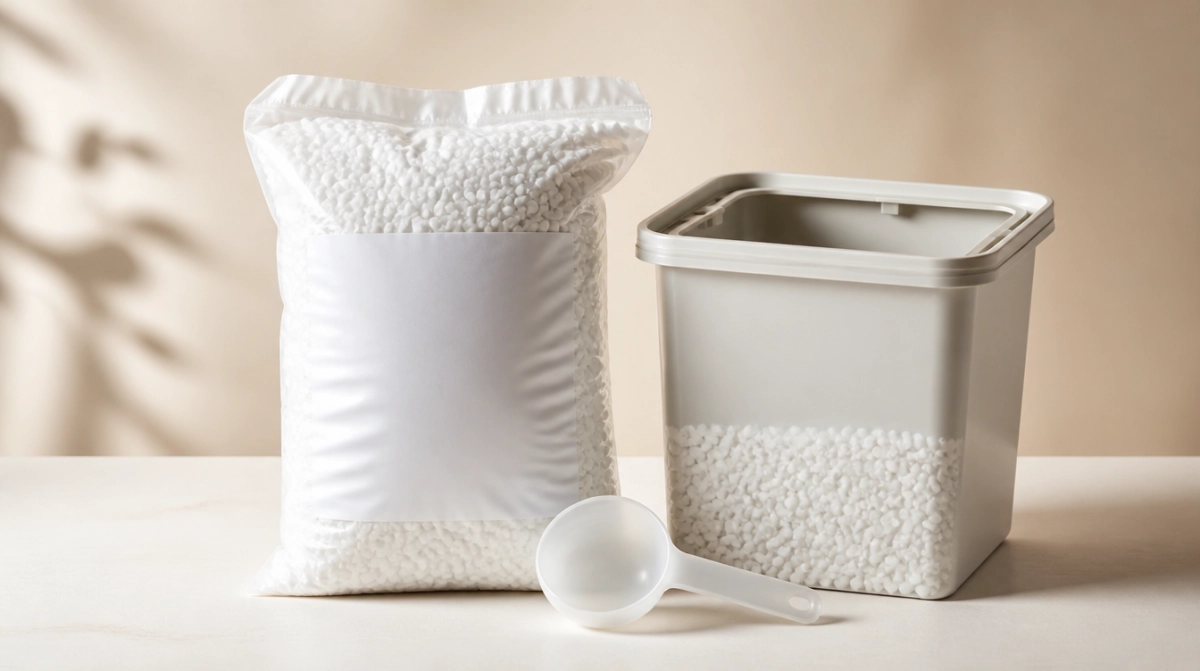
How Often Should You Add Salt to the Tank?
Most homes need a salt check every four to six weeks. The exact schedule depends on household size, hardness levels, and how the system regenerates. A tank that runs dry stops protecting pipes and appliances the moment the salt disappears, and a unit that keeps regenerating without brine wastes water and electricity for nothing.
Here's how we recommend building a salt-check routine:
- Lift the tank lid and look inside once a month.
- Keep the salt level filled to at least one-third of the tank's height.
- Break up any hardened salt bridges before adding more.
- Refill with the salt type recommended for the specific system.
- Log the date so the next check stays on schedule.
Does a demand-regeneration system change the timeline?
Yes. Systems built around demand-based regeneration adjust cycle frequency to actual water use instead of running on a fixed timer. That efficiency stretches the gap between refills, which is why some households only need a delivery every two months rather than monthly.
What's the real answer to how often to add salt?
There's no single number that fits every home; hardness, household size, and regeneration type all shift the timeline. We base salt-check guidance on the Valley's actual hardness levels rather than generic national averages.
When Should You Schedule Professional Servicing?
Professional servicing earns a spot on the calendar once a year, sooner if softened water starts tasting or feeling off. A yearly checkup catches resin bed wear, valve issues, and brine tank problems before they turn into a full system replacement. Skipping that inspection often costs more in the long run than the visit itself.
What if my softener needs more than a salt refill?
Sometimes a system needs real repair work, not just a top-off. We offer repair and filtration service across Valley homes, and a diagnosis and a fix usually happen in the same visit.
Do you travel across the whole Valley for service calls?
Yes. Being based in Las Vegas means a service call doesn't involve waiting on a technician driving in from out of state. We schedule direct visits throughout the Valley, keeping response times short and appointments straightforward.
What Mistakes Waste Money on Softener Care?
Three habits cost Las Vegas homeowners the most. Letting the tank run dry, then wondering why scale is back. Sticking with an oversized or undersized system that regenerates too often or not enough. And guessing at water hardness instead of testing it first.
Is a salt-free system cheaper to maintain than a salt-based one?
Usually, yes. Salt-based systems carry ongoing costs for salt and an annual service. Salt-free conditioners need far less hands-on maintenance, but they condition minerals rather than remove them, so the water won't feel soft the same way.
Do all Las Vegas neighborhoods have hard water?
Every property type feels it, from mid-century ranches to high-rise condos across the Valley. Assuming a newer build or a specific zip code gets a pass is a costly guess, not a fact.
We also see money wasted from skipping a water test before buying equipment or scheduling service. Testing first tells a homeowner exactly what capacity and salt level the property needs, which prevents overpaying for either. We offer free testing and flat quotes because guessing costs more than knowing.
FAQ
What does water softener maintenance involve in Las Vegas?
Keeping salt in the brine tank, an annual professional check of the control valve and resin bed, and replacing any pre-filters or reverse osmosis cartridges on schedule.
How often do we need to add salt to a water softener?
Check salt levels once a month and refill before the tank drops below one-quarter full. Larger families or harder water shorten that window between fills.
Do salt-free water softeners cost less to maintain?
Usually. Salt-free conditioners have no salt to buy and need only an occasional media change, but they condition minerals rather than remove them.